Renting Data Center Space: Key Considerations for Technology Firms
Renting data center facilities is a strategic decision for tech companies. Location, power reliability, and security measures are essential factors that impact operational efficiency. Cost structures and lease terms also serve a vital function in extended operational planning. As companies aim to adapt to fluctuating data demands, understanding these elements becomes imperative. What specific criteria should businesses prioritize to confirm that sound judgments are achieved in this challenging environment?
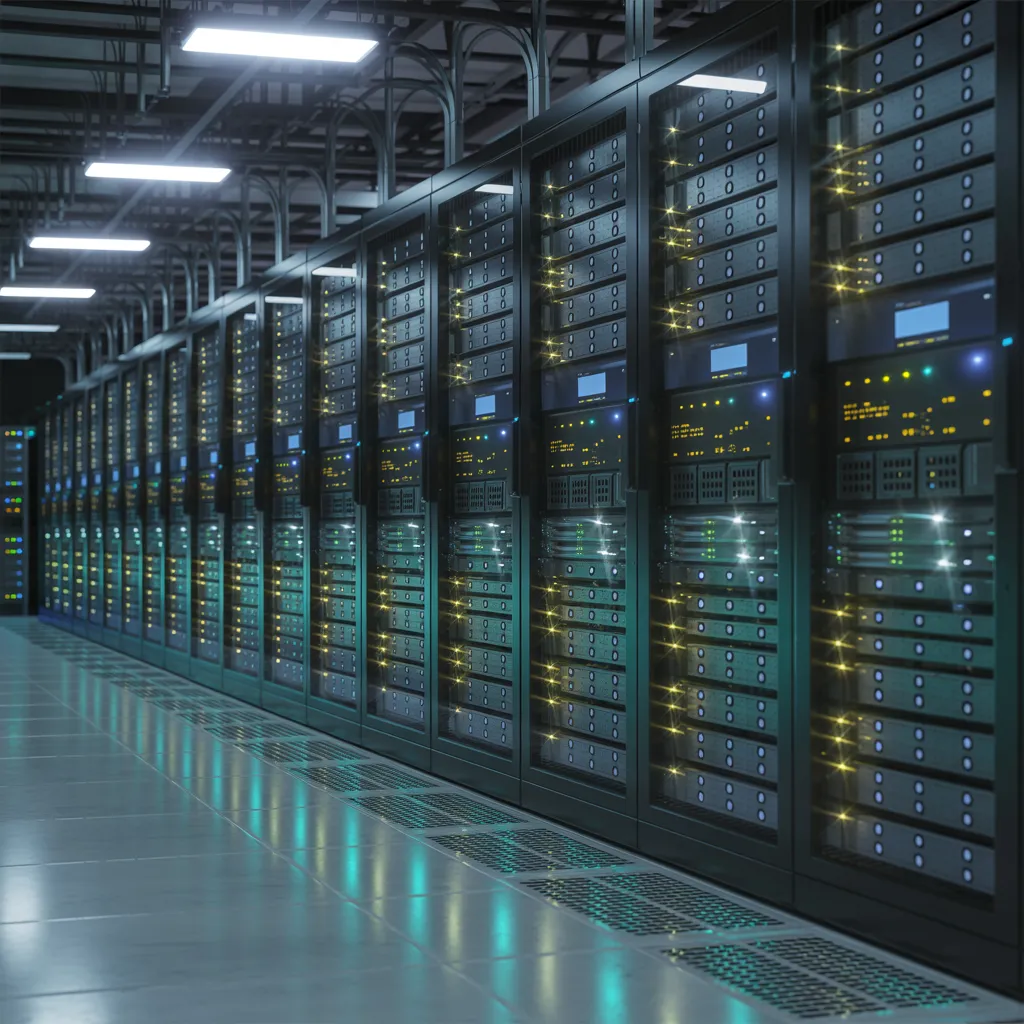
Picking the Perfect Location for Data Center Leasing
When determining a location for data center leasing, businesses must consider multiple critical factors that can impact efficiency and overall costs. Physical location significantly affects network latency and site accessibility, so proximity to major markets is crucial. In addition, companies should assess the regional climate, as temperature and humidity can affect energy consumption and cooling requirements.
The availability of reliable facilities, including transport networks and fiber optic connectivity, is vital for ensuring seamless operations. Furthermore, regulatory factors, such as zoning requirements and environmental regulations, can affect the viability of a site.
Companies must also evaluate the danger of natural disasters, such as floods or earthquakes, which may compromise data integrity. At its core, a well-chosen location not only reduces operational vulnerabilities but also enhances performance, ensuring that the data center supports business objectives and development initiatives.
Evaluating Power and Connectivity Solutions for Your Data Centre
Selecting an ideal location for a data center sets the stage for examining power and connectivity infrastructure, both of which are essential to operational effectiveness. Technology organizations must emphasize consistent power sources to maintain uninterrupted operations. This involves examining the availability of redundancy systems, including uninterruptible power supplies (UPS) and emergency generators, which serve to defend against unexpected disruptions.
Network connectivity choices are equally critical. Businesses should assess the presence of multiple internet service providers to improve bandwidth and reduce latency. This guarantees robust network performance, which is crucial for data transfer and operational efficiency. Furthermore, closeness to fiber optic networks can significantly affect connection speeds.
At the end of the day, a detailed assessment of power supply and network connectivity options will allow tech companies to arrive at educated choices, improving both reliability and performance in their data center management.
Everything You Need to Know About Data Center Security and Compliance
When renting data center space, understanding security and compliance is essential. This includes evaluating physical security measures, adhering to data encryption standards, and fulfilling regulatory compliance requirements. These elements collectively guarantee the protection of sensitive information and the integrity of operations.
Physical Protection Measures
Ensuring robust physical security measures is essential for organizations that lease data center facilities. These measures protect sensitive data and infrastructure from unauthorized access, theft, and potential disasters. Key components include access control systems, which restrict entry to authorized personnel through biometric scanning or key cards. CCTV systems and monitoring solutions provide uninterrupted observation of the facility, while trained security staff can address any incidents swiftly. Moreover, structural barriers including fences and fortified walls help prevent intrusion. Businesses must also consider the geographic placement of the data center, confirming it is located at a safe distance from natural disaster-prone areas. Conformance with established industry standards and regulations bolsters security measures, offering reassurance to technology firms that rely on external facilities for their data.
Data Encryption Protocols
Encryption standards for data are essential to securing sensitive data across data center environments. These frameworks maintain data integrity whether stored or being transferred, defending it against unauthorized intrusion and data breaches. Widely adopted encryption methods, including AES (Advanced Encryption Standard) and RSA (Rivest-Shamir-Adleman), deliver strong foundations for securing data. Applying these standards minimizes data theft risks and improves the organization's security standing. Furthermore, companies should prioritize key management procedures, ensuring that encryption keys are safely maintained and controlled. Routine assessments and revisions of encryption techniques are necessary to counter evolving threats and security gaps. By following proven encryption standards, tech organizations can enhance their data security measures and foster client confidence in their data protection capabilities.
Compliance Regulatory Requirements
Steering compliance with regulations is critical for organizations managing data centers. Following regulations such as GDPR, HIPAA, and PCI DSS guarantees that data is managed safely and shields sensitive information. Organizations must conduct regular audits and deploy comprehensive security measures to satisfy these requirements. Failing to adhere can result in significant financial penalties and damage to reputation. Additionally, organizations should stay informed about shifts in regulatory requirements and established industry standards to adapt their strategies accordingly. Collaborating with established data center providers can help meet these regulations, as many provide integrated compliance tools. Ultimately, a proactive approach to regulatory compliance not only secures data but also enhances customer trust and confidence in the business's devotion to security.
Understanding Data Center Expenses and Lease Agreements
Navigating the challenges of data center expenses and leasing conditions requires a clear understanding of multiple cost structures and potential hidden fees. Flexibility in lease terms can significantly impact overall expenses and operational efficiency. Awareness of these factors is essential for making informed decisions in data center rental agreements.
Exploring Cost Structures
Leasing data center space involves a complex interplay of expenses and lease conditions that can significantly affect an company's financial plan. Essential cost factors consist of base rent, utilities, maintenance fees, and additional services such as temperature management and physical security. Companies should additionally evaluate variable costs, which can fluctuate based on usage levels, and the likelihood of increases linked to economic shifts or industry trends. Comprehending these monetary factors is essential for precise financial planning and projection. Furthermore, lease agreements often contain stipulations regarding coverage requirements, accountability terms, and exit provisions, which can compound the impact on overall financial obligations. A comprehensive evaluation of all associated expenses is necessary for technology organizations to reach sound conclusions that support their strategic and budgetary objectives.
Lease Term Flexibility
As many organizations emphasize cost efficiency in data center leasing, the flexibility of lease duration can greatly influence their overall strategy. Technology companies frequently encounter rapid shifts in demand driven by market fluctuations or technological advancements. Therefore, selecting shorter lease terms can deliver the adaptability necessary to accommodate these transitions without assuming long-term obligations. Conversely, longer leases may offer cost benefits and stability, appealing to companies with predictable growth trajectories. Furthermore, organizations should evaluate renewal options, as they can offer additional flexibility in modifying space to meet future requirements. Ultimately, evaluating lease duration flexibility is essential for aligning data center strategies with business objectives, ensuring that companies remain competitive and responsive in a dynamic environment.
Hidden Fees Awareness
How can organizations effectively manage the commonly ignored costs associated with data center rental agreements? Undisclosed costs can substantially raise the total cost of leasing space, necessitating that organizations carry out detailed investigations. These charges often involve fees for utilities, maintenance, security, and bandwidth, commonly concealed in rental contracts. A thorough examination of every expense is crucial; companies should pursue openness in cost frameworks and clarify any ambiguous terms. Additionally, negotiating lease terms can mitigate unexpected charges, making certain that all involved parties understand their fiscal commitments. Through remaining alert and forward-thinking, technology firms can more effectively manage the intricacies of facility rentals and prevent unexpected costs that may affect their profitability.
Strategizing for Growth: Scalability and Adaptability in Data Center Leasing
Adaptability is vital in the fast-changing landscape of technology, especially when it comes to data center rental solutions. Businesses need to focus on scalability and flexibility to meet changing demands. As companies expand, their data requirements often expand, calling for a flexible leasing plan. Opting for a data center that facilitates straightforward scalability can assist businesses in preventing expensive relocations or infrastructure changes.
Adaptability in lease terms is equally crucial, allowing companies to modify their spatial and resource assignments as required. This may entail renegotiating contracts or selecting reduced lease periods that support quick scaling or reduction. Furthermore, tech companies ought to information evaluate providers that provide scalable options, allowing for phased development without considerable preliminary expenditures. By prioritizing these factors, businesses can confirm their infrastructure solutions support their extended goals, thereby promoting continuous development and functional performance.
Comparing Colocation vs. Dedicated Data Center Solutions for Your Needs
Identifying the most suitable data center approach is essential for organizations managing the complexities of modern technology. Colocation and purpose-built data center options each present unique benefits tailored to diverse enterprise demands. Colocation permits organizations to secure space within a common facility, allowing for shared costs across infrastructure and resources. This option is particularly beneficial for businesses seeking scalability without considerable initial financial commitment.
Conversely, exclusive data center services deliver exclusive access to a facility, providing superior security protocols and personalized setups. This method proves beneficial for businesses with defined compliance needs or those demanding specialized performance standards.
At the end of the day, the choice depends on factors such as budget, security needs, and growth potential. Organizations must assess the adaptability and affordability of colocation in relation to the management and safeguarding afforded by dedicated solutions. A thorough analysis of operational requirements will lead businesses in selecting the most appropriate data center strategy.
Questions We Often Receive
How Long Does It Generally Take to Establish a Leased Data Center?
Typically, setting up a leased data center takes three to six months on average. This timeline incorporates planning, installation, and configuration phases, influenced by the complexity of requirements and the readiness of infrastructure and resources.
What Are the Typical Mistakes When Leasing Data Center Space?
Frequent mistakes in leasing data center space include inadequate due diligence, overlooking scalability needs, overlooking power and cooling specifications, ignoring contract terms, and not considering geographical risks that could impact operations.
Can I Schedule a Tour of the Facility Before Signing a Lease?
Certainly, potential tenants can usually visit the facility before finalizing a lease agreement. This gives them the opportunity to assess overall suitability, infrastructure, and security measures, ensuring informed decisions about their data center requirements and space expectations.
What Support Services Are Commonly Included in Leasing Agreements?
Support provisions within lease contracts commonly encompass power management, maintenance, security, technical support, cooling systems, and sometimes supplementary options like network management and backup solutions, ensuring operational efficiency and reliability for lessees.
How Can I Manage Equipment Maintenance in a Rented Data Center?
To oversee equipment maintenance in a contracted data center, you should build effective communication with the facility provider, schedule regular inspections, and guarantee that maintenance duties are clearly outlined in the leasing agreement.